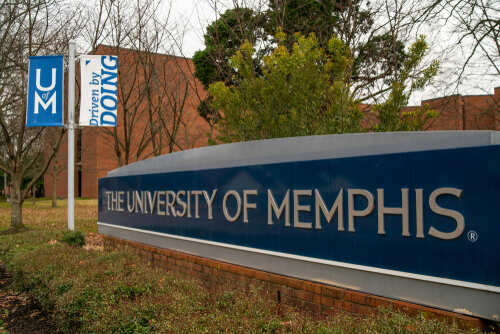
In a scandal that cuts to the core of collegiate integrity, the University of Memphis faces hefty penalties as the NCAA uncovers an academic fraud scheme involving the softball and men’s basketball programs.
At a Glance
- The University of Memphis penalized for academic fraud involving softball and basketball programs.
- Leslie Brooks paid softball players to complete coursework for a basketball player.
- Penalties include a $30,000 fine, two-year probation, and a 10-year show-cause order for Brooks.
- NCAA underscores its focus on academic integrity and accountability.
NCAA Investigation and Penalties
The NCAA dropped the hammer on the University of Memphis following a scandal that erupted between January 25 and February 18, 2024. Leslie Brooks, a former academic advisor, orchestrated a scheme where two softball players, Ally Callahan and Aaliyah Dixon, were paid to complete assignments and tests for men’s basketball player Malcolm Dandridge. The university has been slapped with a $30,000 fine, a two-year probation for its softball program, and a 1% budget reduction for both softball and basketball. Leslie Brooks has been hit with a 10-year show-cause penalty, effectively barring her from NCAA-related activities until 2035.
Old School Cheating: Memphis Hoops Is On Probation After 'Two Softball Players Were Paid $550 To Complete Coursework For A Former Basketball Player' https://t.co/dci0eM89dc pic.twitter.com/9qsLVnrM2D
— Barstool Sports (@barstoolsports) July 17, 2025
These severe penalties are not just a slap on the wrist; they send a clear message that the NCAA will not tolerate any deviation from academic integrity. The university must now vacate records from 20 games in which ineligible players participated, further tarnishing its athletic achievements. This scandal is a stark reminder of the consequences of unethical behavior in collegiate sports.
Watch: Memphis men’s basketball, softball charged with NCAA academic violations
Reactions and Institutional Impact
University President Bill Hardgrave has gone on record to thank the staff for their swift action in addressing the violations, reaffirming the university’s commitment to compliance. This scandal has been a blow to the institution’s reputation, one that has already been under NCAA scrutiny due to past violations. With the university now under probation until July 15, 2027, it must implement rigorous compliance measures to prevent future infractions.
The fallout from this scandal stretches beyond penalties and probation. The university community, including current and prospective students, is left questioning the integrity of its athletic programs. The tarnished reputation could deter potential recruits and impact the morale of existing team members. The financial penalties and budget cuts will likely affect program funding and resource allocation, creating additional hurdles for the athletic department.
Broader Implications for NCAA and Collegiate Athletics
This incident is more than just a localized scandal; it reflects broader issues within the NCAA and collegiate sports. Academic fraud undermines the very foundation of collegiate athletics, which is supposed to balance sportsmanship with scholarly achievement. The NCAA’s decisive action serves as a warning to other institutions about the high stakes of non-compliance.
For the NCAA, this case reinforces its commitment to maintaining academic integrity. The show-cause penalty imposed on Brooks is particularly significant, serving as a strong deterrent for any staff considering similar actions. The repercussions of this scandal underscore the necessity of strong institutional controls and ethical behavior in collegiate sports.